 Runclubs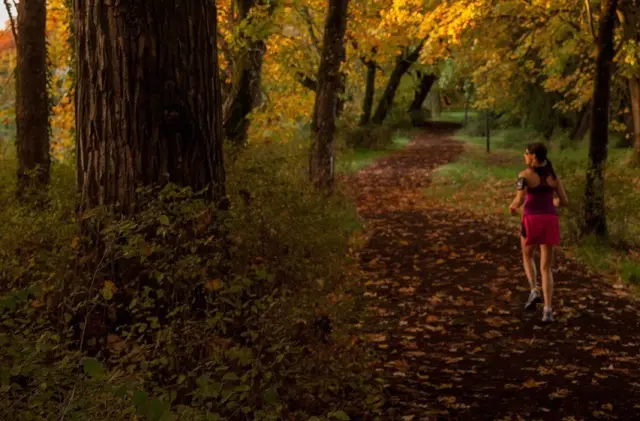
Trail clubs vs road clubs
Updated July 17, 2026 · 5 min read
They're both called run clubs, they're both full of good people, and they are meaningfully different sports. If you're choosing between a road crew and a trail group — or road running has gone stale and you're trail-curious — here's the honest comparison, including the parts each tribe won't tell you about the other.
The core difference: what "pace" means
Road clubs live by the clock. Pace groups, tempo nights, PB culture — the numbers are the shared language (our pace guide is essentially a road-club phrasebook). This is a feature: numbers make progress visible and groups sortable.
Trail clubs treat pace as weather — something that happens to you. The same runner doing 5:30/km on the road might do 8:00/km on a hilly singletrack and have worked harder. So trail groups organize around effort and terrain instead: everyone hikes the steep climbs (yes, even the fast people — walking uphill is technique, not failure), the descents spread the group out, and regrouping at trail junctions is built into the culture. Runners who find road pace-anxiety exhausting often discover trail clubs feel like being let out of school.
Vibe, honestly stereotyped
- Road clubs are urban, punctual, and social in a compressed way — an hour door to door, then a café or brewery. Bigger groups, younger median age in the city crews, more likely to have merch, a photographer, and a race-day cheer squad. The after-run hang is the community glue (see what a first night is like).
- Trail groups are smaller, start earlier, drive to trailheads, and measure runs in hours not kilometres. The mid-run snack stop with a view is the social event. Median age skews older and the conversation skews gear, races you've never heard of, and unhinged weekend plans. Nobody cares what your 5K time is; someone will absolutely care that you've never eaten a boiled potato mid-run.
Caricatures, but load-bearing ones — visit both and you'll recognize them immediately.
What trail running asks of you
- Gear, slightly more. Trail shoes (lugs and rock protection — your road shoes will slide on wet descents), and for longer outings water and food, since there are no fountains on a ridgeline. Clubs are relaxed about newcomers starting in road shoes on easy trails; ask what the route needs.
- Ankles and attention. Uneven ground is the whole point and the whole risk. Trail running builds stabilizer strength road running never touches, but the tax is paying attention — the moment you sightsee mid-stride is the moment the root finds you. Beginners fall occasionally; it's part of the apprenticeship and universally treated as such.
- Logistics. Trailheads mean carpools, start times mean daylight math, and weather calls matter more (mud season is real). The group solves most of this — which is precisely why trail running is best learned inside a club rather than alone with a GPS app and optimism. Navigation, route knowledge, and what-if-someone-rolls-an-ankle coverage are the group's quiet safety net (the safety guide applies double off-road).
What road running asks of you
Less kit, more repetition tolerance. Road clubs deliver frictionless consistency — same corner, every Tuesday, all year, winter included — which is exactly what habit-building and structured training want. If you have a race goal, the road club's pace groups and workout nights are the machine for it (marathon training is a road-club product through and through). The tax is monotony and pavement: the impact is more repetitive, and bad route variety is the most common road-club complaint.
The answer most runners land on
Both, eventually. The classic pattern is a weekday road club for consistency and a weekend trail group for joy — and each makes you better at the other. Trail strength fixes road-runner ankles and hills; road fitness turns trail slogs into flow. Clubs increasingly blur the line anyway: plenty of road crews run a monthly trail outing, and trail groups do winter road blocks.
If you're picking one to start: choose road if you want maximum convenience, a social scene, or race structure; choose trail if you want lower pace pressure, nature, and don't mind logistics. Either way the choosing guide applies, and city pages here list both kinds — trail groups usually say so in their description. See what your city has.
Dirt or pavement, there's a crew for it: browse run clubs by city.